In recent years, the USAA SafePilot patent lawsuit has become one of the most talked-about cases in the technology and insurance sectors. It’s a fascinating example of how innovation, competition, and intellectual property rights intersect in today’s fast-paced digital landscape.
The case revolves around USAA’s patented telematics technology, which powers its SafePilot program — a system designed to track driving behavior through mobile devices to offer personalized insurance premiums.
This lawsuit highlights the growing tension between tech-driven insurance companies and financial service providers over the ownership and use of mobile-based driving data collection systems.
For a company like Prip LLC, which operates at the intersection of digital solutions, data privacy, and innovation, the USAA SafePilot patent lawsuit serves as an instructive case study on how businesses can protect their intellectual property while navigating complex legal and ethical challenges.
Let’s explore what makes this case so significant, how it’s shaping the insurance and technology industries, and what lessons can be drawn from it.
Understanding the USAA SafePilot Program
What Is SafePilot?
SafePilot is USAA’s telematics-based program that uses smartphone sensors to monitor driving behavior. By tracking metrics like speed, braking patterns, phone usage while driving, and cornering, the program determines a driver’s level of risk. The better you drive, the more discounts you can earn on your insurance premiums.
How the Technology Works
The SafePilot app leverages smartphone accelerometers, GPS data, and machine learning algorithms to distinguish between driving patterns and passenger behaviors. This innovation gives USAA a competitive advantage by combining insurance services with mobile technology, offering real-time data insights to improve both safety and pricing accuracy.
However, as revolutionary as it is, this technology also sparked patent disputes that led to the now-famous USAA SafePilot patent lawsuit — a battle over who owns the rights to such advanced telematics systems.
What Sparked the USAA SafePilot Patent Lawsuit
The Core of the Dispute
The USAA SafePilot patent lawsuit centers around USAA’s claim that its telematics technology — specifically, the mobile-based systems for capturing and transmitting driving data — infringes upon its registered patents.
Over the years, USAA (United Services Automobile Association) developed and patented numerous telematics innovations that allowed customers to deposit checks via mobile devices, assess risk levels, and determine personalized insurance rates. As competitors began implementing similar technologies, USAA filed a series of lawsuits to protect its intellectual property.
The USAA SafePilot patent lawsuit extends this strategy into the realm of behavioral driving technology, as USAA believes its inventions have been replicated or adopted without proper licensing agreements.
How the Lawsuit Impacts the Insurance Industry
Raising the Stakes for Innovation
The USAA SafePilot patent lawsuit is more than just a legal dispute — it’s a defining moment for innovation in the insurance sector. It forces insurers and technology developers to examine how they use telematics and data-driven systems carefully.
For Prip LLC, which helps businesses develop and protect their digital products, this case highlights the importance of proactive patent strategies. Companies must ensure that their innovations are properly documented and protected before entering markets where similar technologies exist.
The Ripple Effect
As the lawsuit gained media attention, other insurance providers began reassessing their own telematics systems. The question of who owns mobile telematics data — and how it can be used — has become central to ongoing industry debates.
Moreover, the case reinforces a larger truth: in a digital-first world, intellectual property can be just as valuable as financial assets.
The Role of Prip LLC in Understanding Technology & Patent Dynamics
Prip LLC has long positioned itself as a leader in digital innovation and intellectual property consultation. While not directly involved in the USAA SafePilot patent lawsuit, Prip LLC’s expertise lies in analyzing similar patent disputes to help clients strengthen their IP portfolios and mitigate legal risks.
For businesses leveraging telematics, Prip LLC emphasizes the following principles:
-
Document every stage of development – from concept to implementation.
-
Conduct patent clearance searches before launching new products.
-
File provisional patents early to secure innovation rights.
-
Monitor competitors’ filings to avoid infringement issues.
These proactive measures help prevent situations similar to the USAA SafePilot patent lawsuit, where ambiguity around ownership led to years of litigation and financial strain.
Patent Law and the Tech-Insurance Convergence
Why Patent Protection Matters
In an industry where mobile applications and data analytics define the customer experience, patent protection is no longer optional — it’s a necessity. The USAA SafePilot patent lawsuit exemplifies how intellectual property can become both an asset and a liability.
USAA’s decision to pursue legal action underscores the importance of defending innovation. Without strong patent enforcement, groundbreaking technologies could be easily replicated, diluting competitive advantages.
Challenges for Innovators
The convergence of technology and insurance introduces several complexities:
-
Ambiguous patent boundaries: Similar features may exist across multiple platforms.
-
Rapid innovation cycles: Products evolve faster than patent offices can process filings.
-
Cross-industry overlap: Tech and insurance sectors often use shared technologies (e.g., GPS, AI, mobile apps).
For firms like Prip LLC, helping companies navigate these challenges means staying ahead of patent trends and building strong legal strategies.
The Broader Implications of the USAA SafePilot Patent Lawsuit
Impact on Consumers
The lawsuit could potentially reshape how consumers interact with mobile-based insurance apps. If patent restrictions limit access to certain telematics technologies, insurers may need to increase costs or limit features.
However, on the positive side, the case pushes companies to innovate responsibly, creating more secure and privacy-conscious systems.
Impact on Competitors
For other insurers, the lawsuit serves as a warning — and an opportunity. Businesses that can develop alternative, non-infringing telematics solutions stand to gain significant market share.
Lessons for Startups and Developers
For startups working in mobile app development, telematics, or insurance technology, the USAA SafePilot patent lawsuit underscores the need for early-stage IP protection and legal foresight. It’s not enough to have a good idea; you must ensure that your idea doesn’t infringe on someone else’s innovation.
The Ethical and Privacy Debate
Telematics-based programs like SafePilot raise questions beyond patents. Privacy advocates argue that such systems collect excessive personal data, including GPS tracking and phone activity. While these insights are valuable for insurance analytics, they also introduce risks related to data misuse and user consent.
Prip LLC emphasizes that ethical innovation must accompany technical progress. By integrating transparent data policies and robust encryption, businesses can balance innovation with user trust.
Expert Insight from Prip LLC on Legal Strategy
At Prip LLC, our legal and technological consultants often assist clients who face similar challenges as USAA. Drawing from experience, we recommend:
-
Conducting regular IP audits to identify and document all company innovations.
-
Investing in patent insurance to protect against infringement lawsuits.
-
Engaging IP attorneys early when developing proprietary technology.
-
Maintaining clear records of product development timelines.
By adopting these best practices, businesses can avoid falling into costly disputes like the USAA SafePilot patent lawsuit.
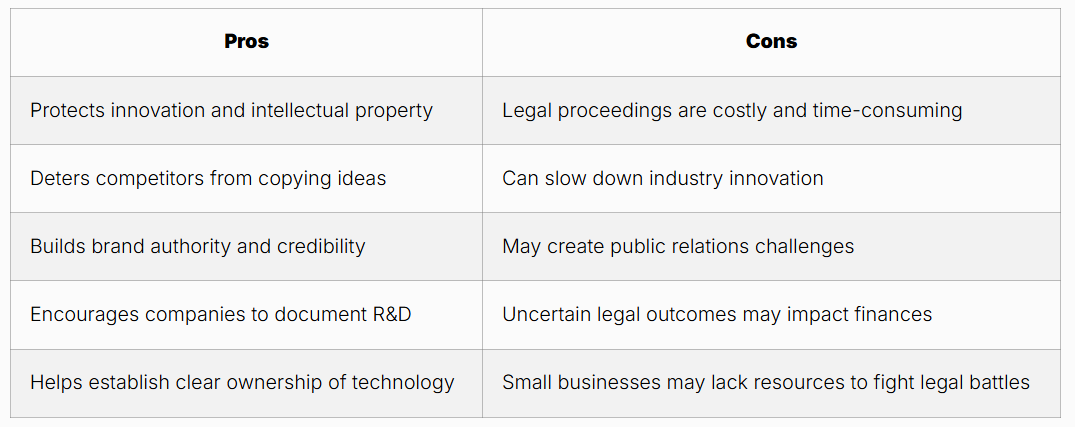
The Pros and Cons of Patent Lawsuits in Technology